
Kulika Uganda’s Ecological Organic Agriculture & Farmer Extension Program approach

Kulika Uganda is an Indigenous NGO in Uganda promoting sustainable organic agriculture. It was founded in 1981 in Uganda having been established in 1981 in the UK as a grant-making charitable trust specializing in the provision of educational scholarships for East African students. Its major focus is to support community development through the implementation of programs in the thematic areas of Sustainable Organic Agriculture training, Farmer to Farmer extension, Vocational Skills training and Scholarship administration.
Ecological Organic Agriculture at Kulika Uganda
Ecological Organic Agriculture is the core of Kulika’s Community Development Programme aimed at training of farmers in sustainable organic agriculture which focuses on experiential learning, practical work, on-farm experimentation and demonstrations to improve the skills of farmers.
Kulika works in many areas of Uganda, educating and training local people towards a more sustainable and harmonious relationship with their land and environment in order to improve health, food security and family incomes for rural farming communities. Farmers are helped to improve productivity through increased soil fertility and water retention. They are trained in making and use of organic manures eg compost, plant teas and other liquid manures, and the use of cover crops as one of the measures for soil and water conservation.

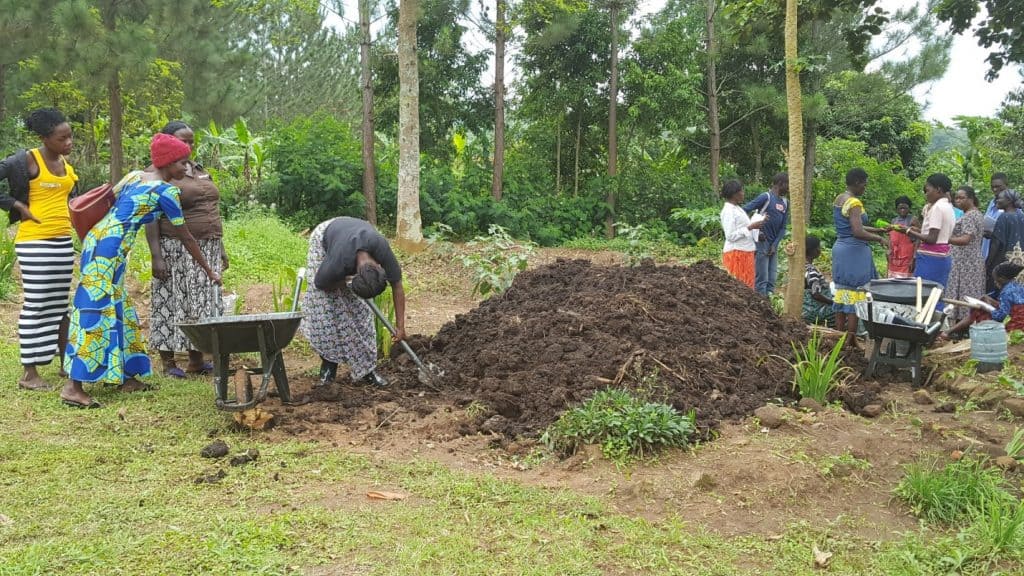
Training in Organic Manure at Kulika training centre 
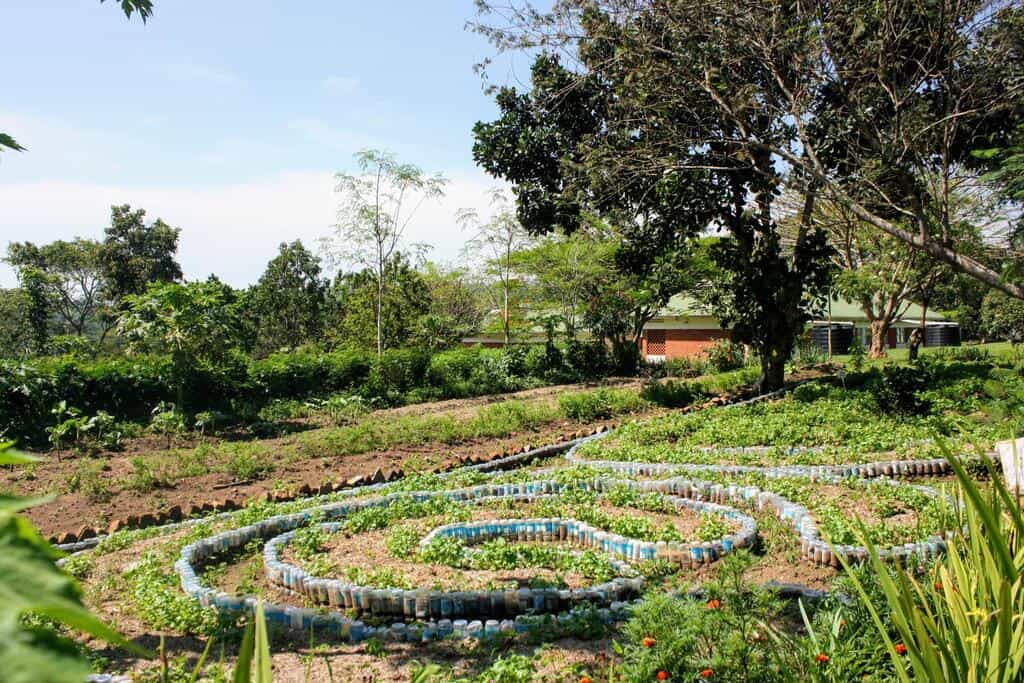
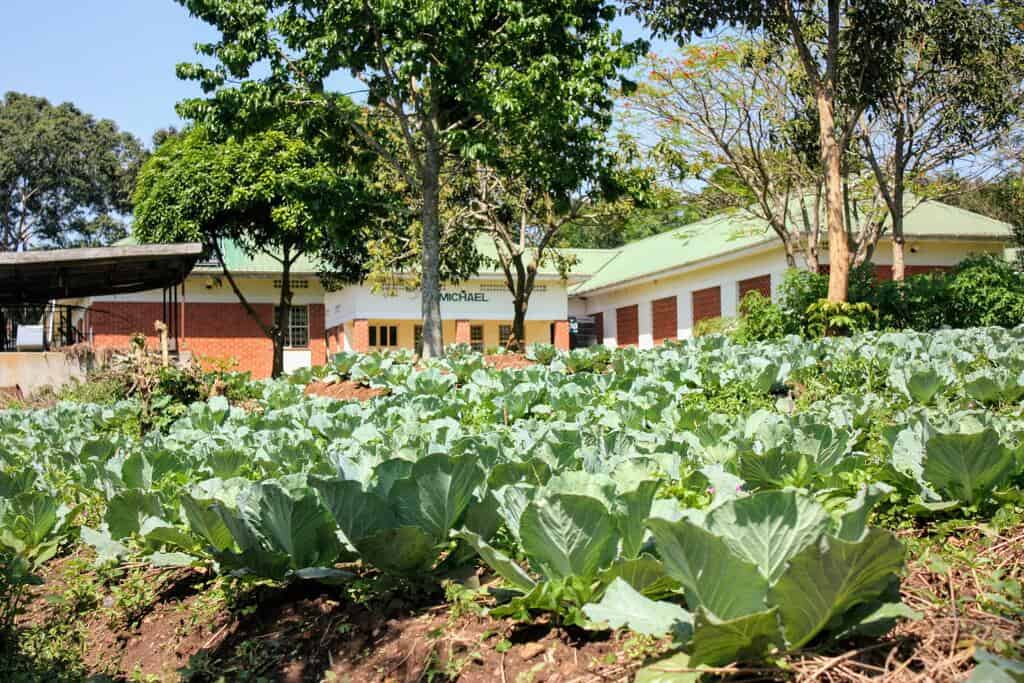
An organic vegetable demonstration garden at Kulika training centre
Other techniques include the use of physical structures or barriers like stabilized contours, cut-off drains and water retention ditches. Beneficiaries are further trained in agronomic practices for organic crop production methods of various crops, organic pest and disease control methods, use of resistant crop varieties, use of cover crops and mulch for weed control and fertility rejuvenation.
For livestock, farmers are trained to produce and manage livestock in a complementary and sustainable manner. The importance of adherence to proper husbandry of livestock allows farmer groups to diversify their produce and improve their health and nutrition as well as increase their capital.
Farmer Extension and Programme approach
Kulika Uganda is cognizant of the need for communities to adopt better methods of farming for increased productivity, which is why the organization is providing extension services to the communities mostly targeting youth who are the future custodians of best practices, knowledge, skills and other future initiatives.
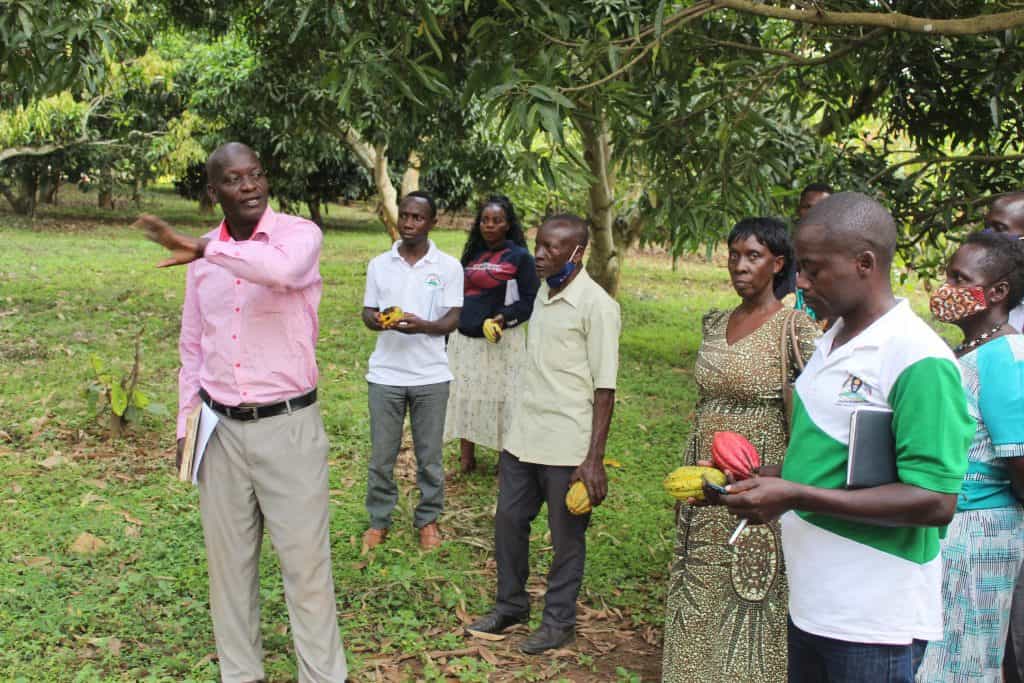
Farmers are selected by members of their group and trained as Key Farmer Trainers (KFTs) at Kulika training centre. The KFT programme produces farmer trainers who are equipped with knowledge and practical skills that they pass on to their respective group members upon return to their respective areas through practical and on trainer’s farm sessions. These KFTs’ training is undertaken in continuous phases to allow for application and adaption of new knowledge in the communities as well as the use of innovative technologies that conform to the principles of sustainable organic agriculture without damaging the environment.
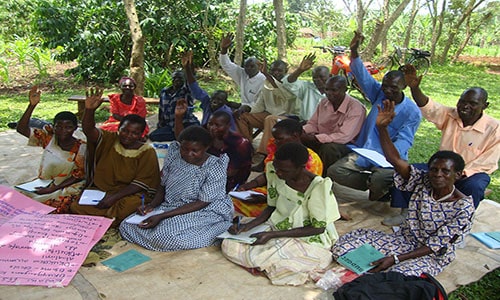
KFTs are trained in different food stuffs including staple legumes, the nutritional value of fruit and vegetables through practical demonstrations, discussions and visits to hospital child nutrition departments. The training also covers food hygiene, handling, preparation of meals, presentation, serving process and preservation and how to build equipment associated with this. This is aimed at improving the general health of communities.

Responses